
When I work with teams, I like to define certain terms.
Not because people are unintelligent.
Quite the opposite.

It’s because some terms become so common that we stop questioning what they mean.
Everyone uses them.
Everyone nods when they hear them.
And yet, if you ask ten people to define them, you’ll probably get ten different answers.
Terms like:
- Innovation
- Strategy
- Competitive advantage
These terms appear in presentations, roadmaps, meetings, annual reports, and executive speeches almost every day.
But very rarely do teams stop and ask:
What exactly do we mean when we use these terms?
And that’s where problems begin.
The hidden cost of undefined language
One of the biggest sources of organizational misalignment isn’t process.
It isn’t technology.
And it isn’t even priorities.
It’s language.
Teams often believe they are aligned because they use the same words.
But they may be operating from completely different definitions.
A product leader says:
“We need more innovation.”
A designer hears one thing.
An engineer hears another.
A stakeholder hears something else entirely.
Everyone agrees with the statement.
Nobody agrees on its meaning.
The result?
People work hard in different directions.
That’s why I like to define key concepts early when working with teams.
Not because my definitions are the only correct ones.
But because teams need a shared understanding before they can build shared outcomes.
What innovation means to me
Many organizations talk about innovation as if it were a goal in itself.
I don’t see it that way.
For me, innovation means:
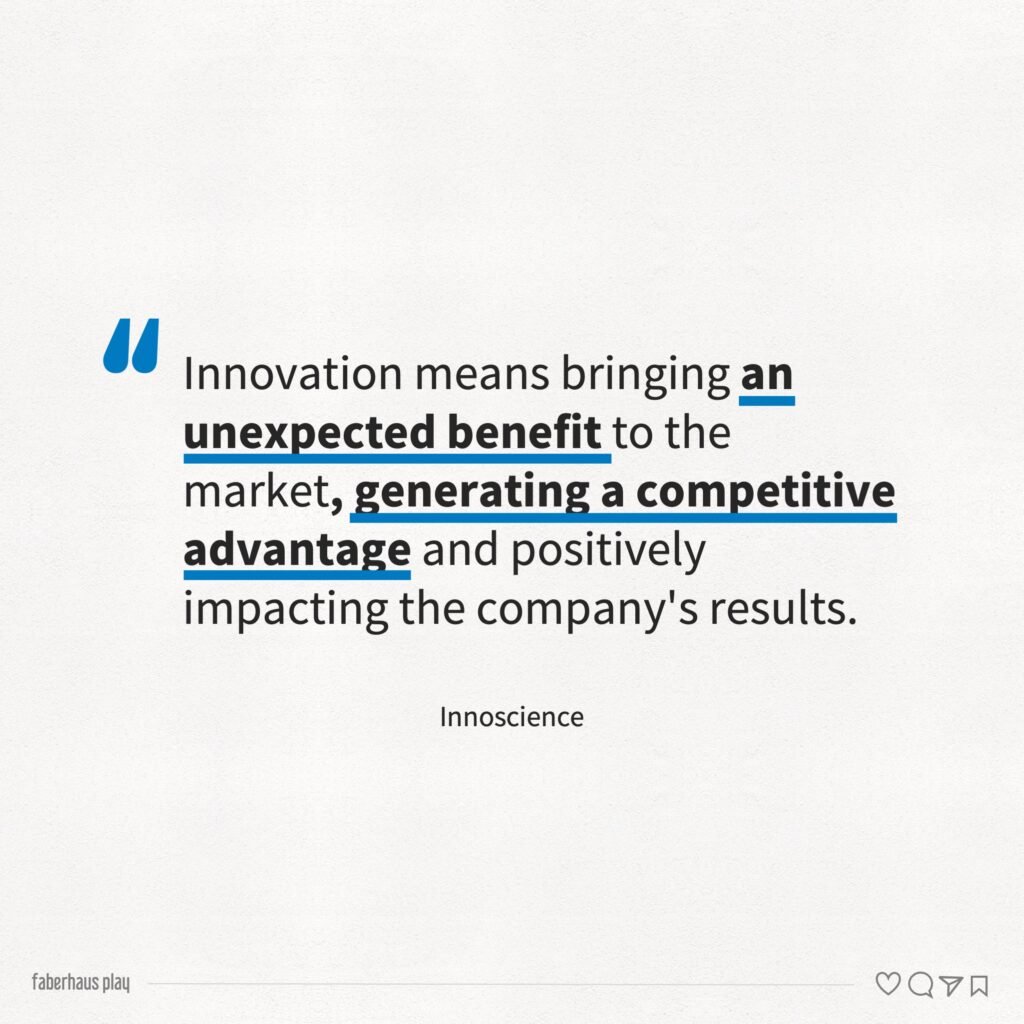
Bringing an unexpected benefit to the market that generates competitive advantage and positively impacts business results.
There are three important ideas hidden inside that definition.
First, innovation must create a benefit.
Something changes for customers.
Something becomes better, easier, faster, safer, or more valuable.
Second, it must be unexpected.
The benefit doesn’t necessarily need to be new to the world.
It may simply be new within a specific market, industry, or context.
Third, it must create competitive advantage.
If customers do not perceive meaningful differentiation, we may have created something interesting, but not necessarily innovative.
Innovation is not creativity alone.
Innovation creates value.
And value creates results.
What competitive advantage actually means
Competitive advantage is another term people use constantly.
But what are we really talking about?
For me, competitive advantage is:
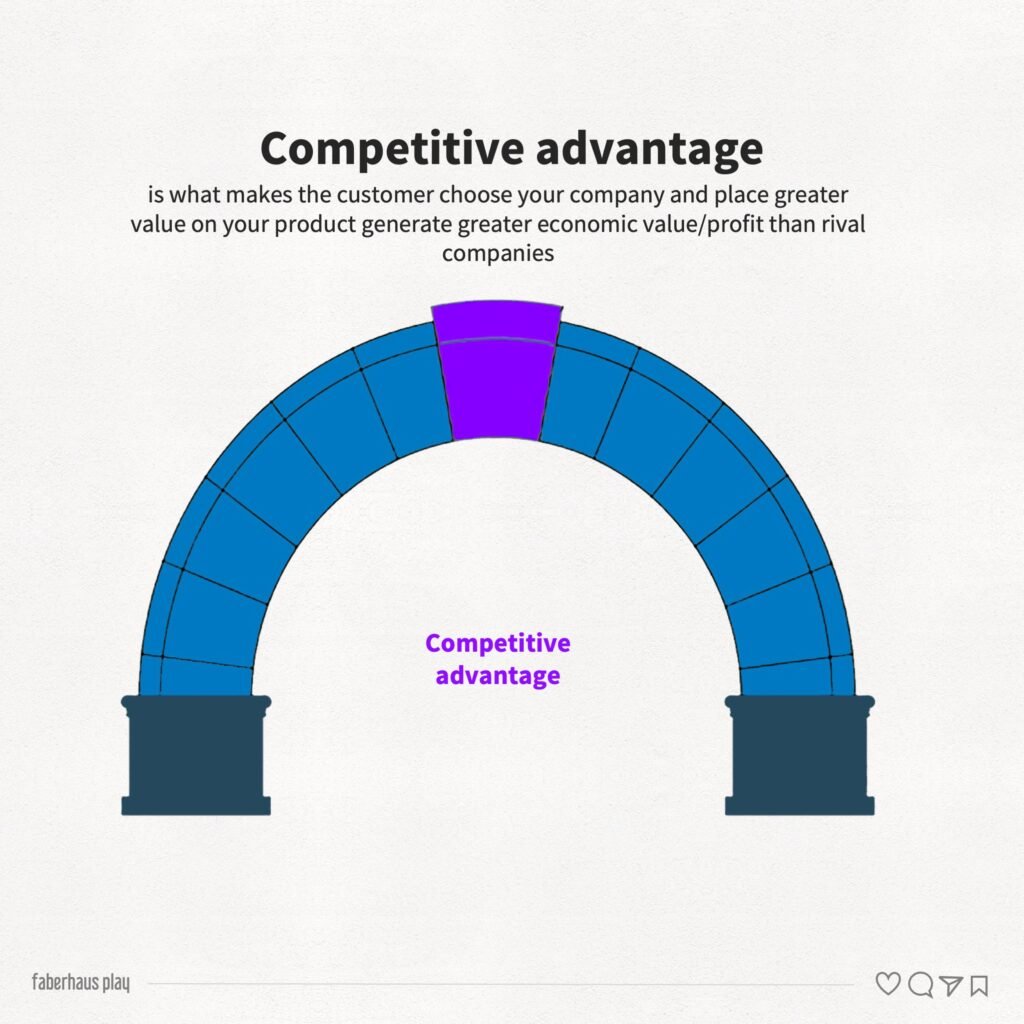
What makes customers choose our company and place greater value on what we offer compared to available alternatives.
In other words:
Why us?
Why not someone else?
Why pay more?
Why stay loyal?
Why recommend us?
When customers consistently answer those questions in our favor, we have competitive advantage.
Design plays a critical role here.
At its best, design helps organizations discover, create, and strengthen the differences that customers genuinely care about.
Good design isn’t decoration.
It’s this kind of differentiation.
What strategy really is
Perhaps the most misunderstood word of all is strategy.
People frequently say:
“We need to be more strategic.”
But what does that actually mean?
A definition I like is:
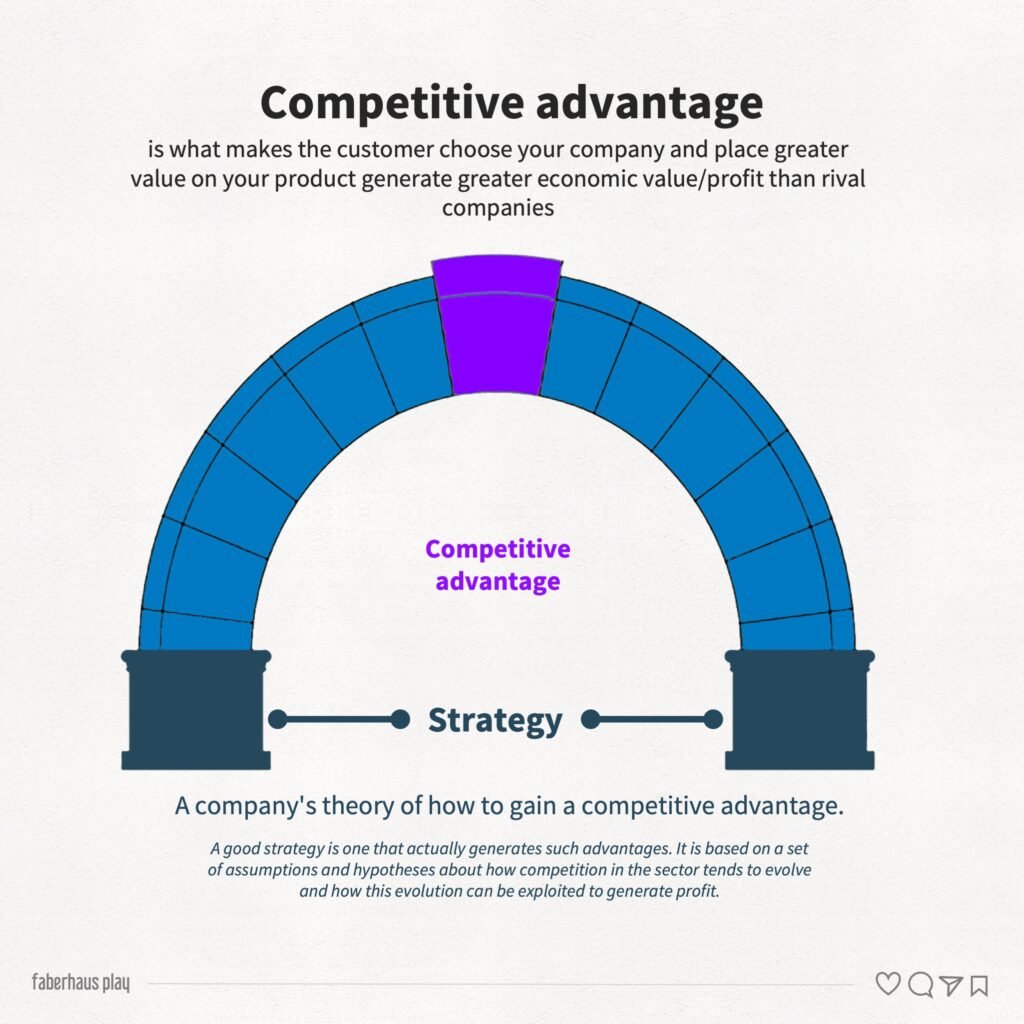
Strategy is a company’s theory about how it will create competitive advantage.
Notice the word theory.
That’s important.
A strategy is not a fact.
It’s a hypothesis.
It’s a belief about how the market works and how the organization can succeed within it.
Some organizations believe innovation creates competitive advantage.
Others compete through:
- Operational efficiency
- Customer service
- Convenience
- Pricing
- Distribution
- Brand strength
Different strategies.
Different theories.
The key question is not whether a strategy sounds impressive.
The key question is:
Does it actually create competitive advantage?
Because results are what validate strategy.
Not presentations.
Not opinions.
Not enthusiasm.
Results.
Why shared definitions matter
Once teams agree on what these concepts mean, conversations become dramatically more productive.
People can challenge ideas without challenging each other.
They can evaluate decisions more objectively.
They can align around outcomes instead of assumptions.
Most importantly, they can work toward the same goal using the same language.
Because terms like innovation, strategy, and competitive advantage are so familiar that we stop noticing how differently people interpret them.
The obvious things are often the things that need the most clarification.
So, before asking a team to be more innovative, make sure everyone agrees on what innovation means.
Before discussing strategy, define what strategy means in your context.
Before pursuing competitive advantage, ensure everyone understands what makes your organization truly different.
Because when people share definitions, they can share direction.
And when they share direction, meaningful progress becomes much easier to achieve.
References
Innoscience. Retrieved from
Innoscience website

