
One of the most common traps for people working in digital design is looking for references in the same places over and over again.
Interfaces, apps, dashboards, landing pages, and social media feeds are important, but they represent only a small portion of the visual universe available for study.
Many of the best ideas related to composition, hierarchy, contrast, visual storytelling, and aesthetics were created long before the first design software existed.

That is why I selected 15 visual styles that I like to revisit whenever I want to refresh my perspective, discover new references, and approach problems from different angles.
1. Art Deco
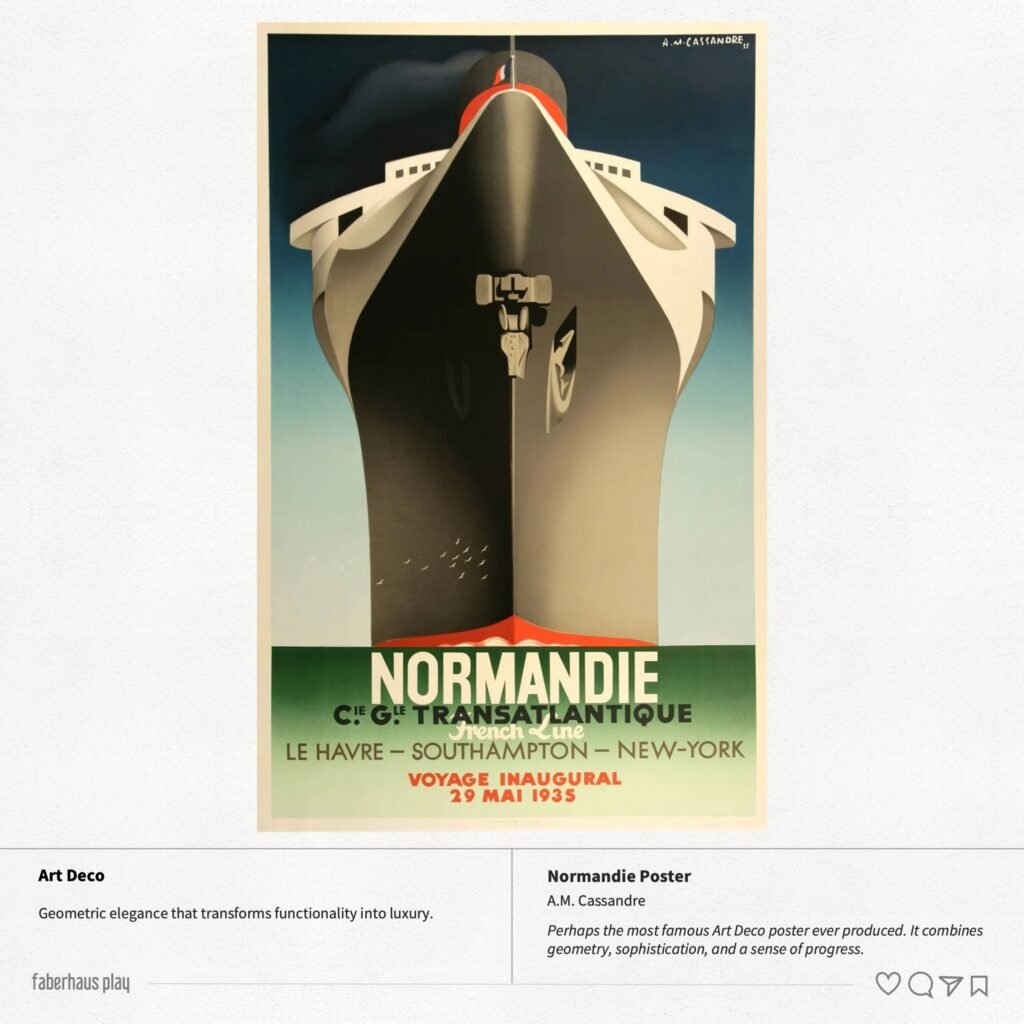
Geometric elegance that transforms functionality into luxury.
Characterized by geometric lines, refined ornamentation, and a strong sense of sophistication, Art Deco shaped the first half of the twentieth century and continues to influence brands that want to communicate exclusivity and value.
Reference: Poster for the Normandie Ocean Liner — A.M. Cassandre.
2. Bauhaus
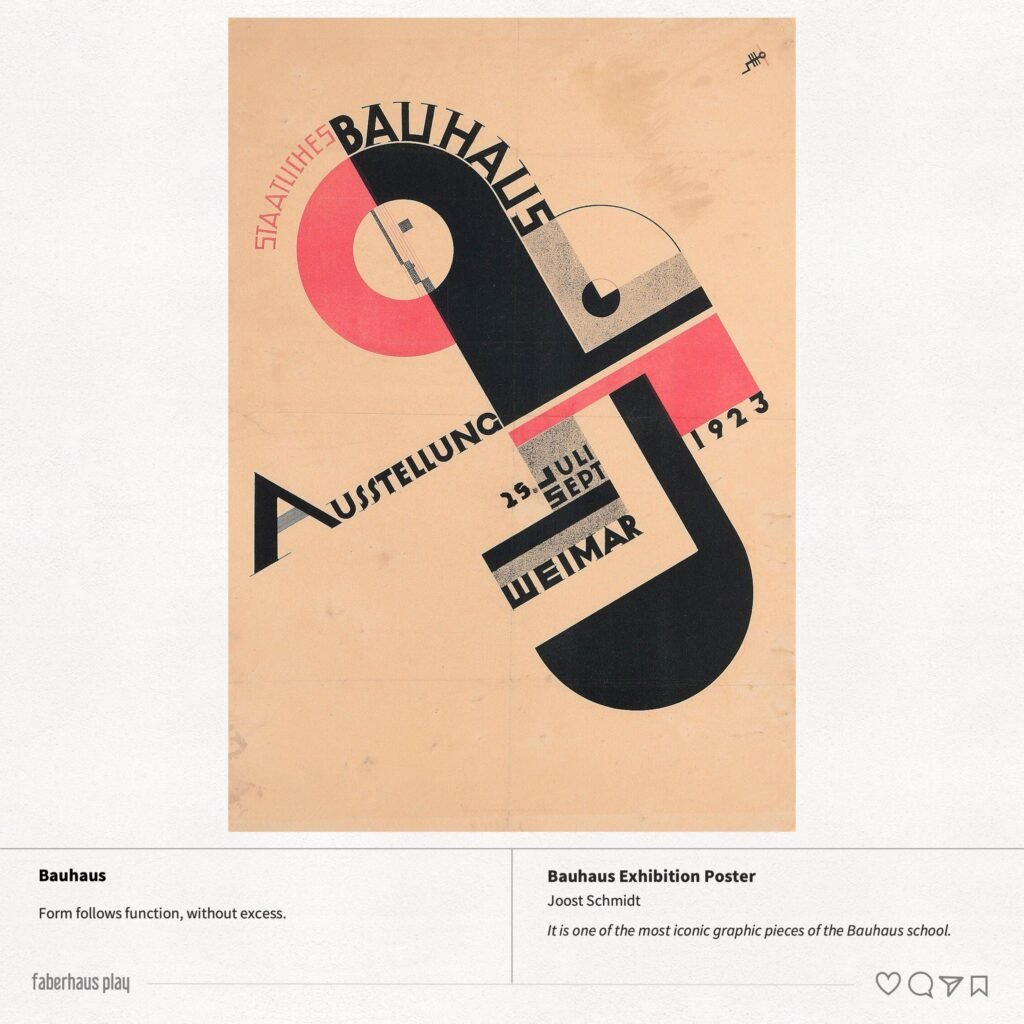
Form follows function, without excess.
The Bauhaus helped establish the idea that design is not decoration. Its focus on functionality, simplicity, and clarity remains present in digital products to this day.
Reference: Bauhaus Exhibition Poster (1923) — Joost Schmidt.
3. Brutalism
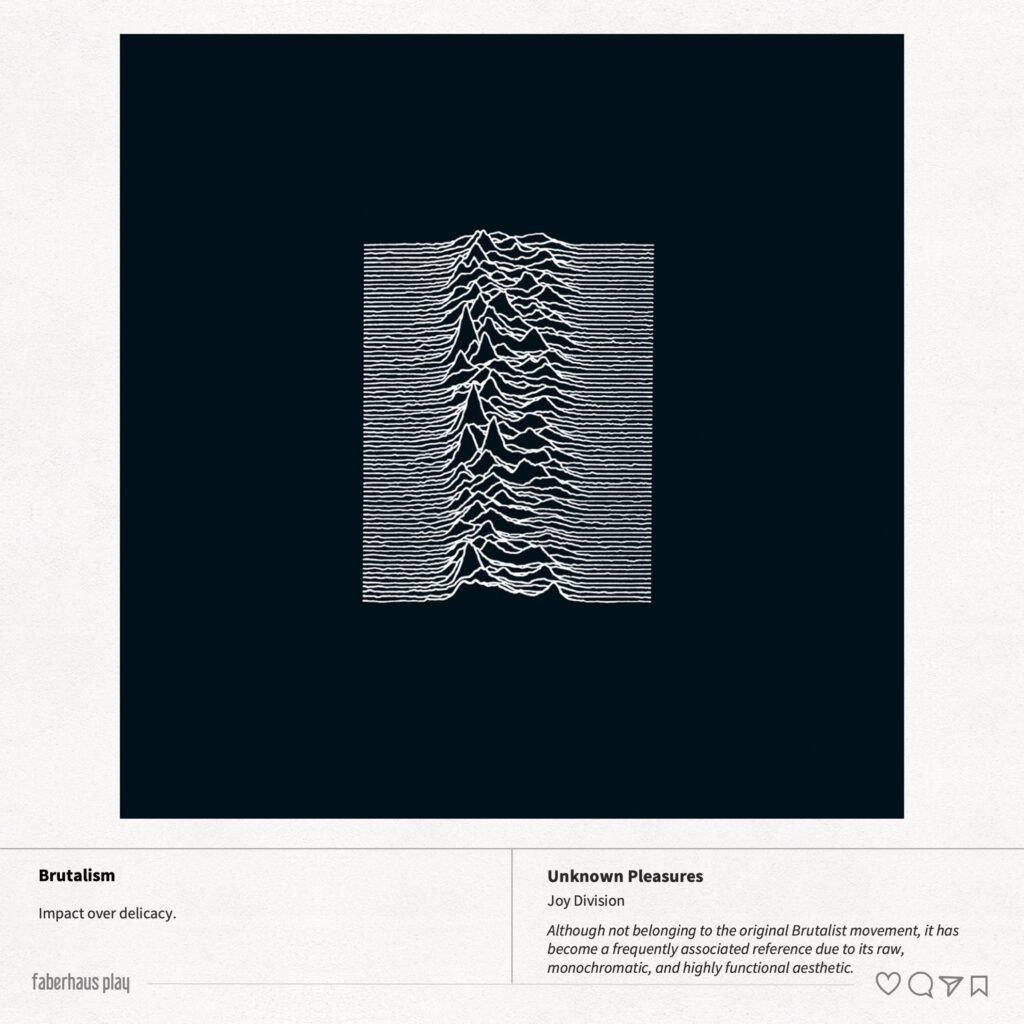
Impact over delicacy.
Brutalism rejects excessive polish and values the direct exposure of elements. In contemporary graphic design, it often appears through strong contrasts, aggressive typography, and intentionally raw compositions.
Reference: Unknown Pleasures — Joy Division.
4. Constructivism
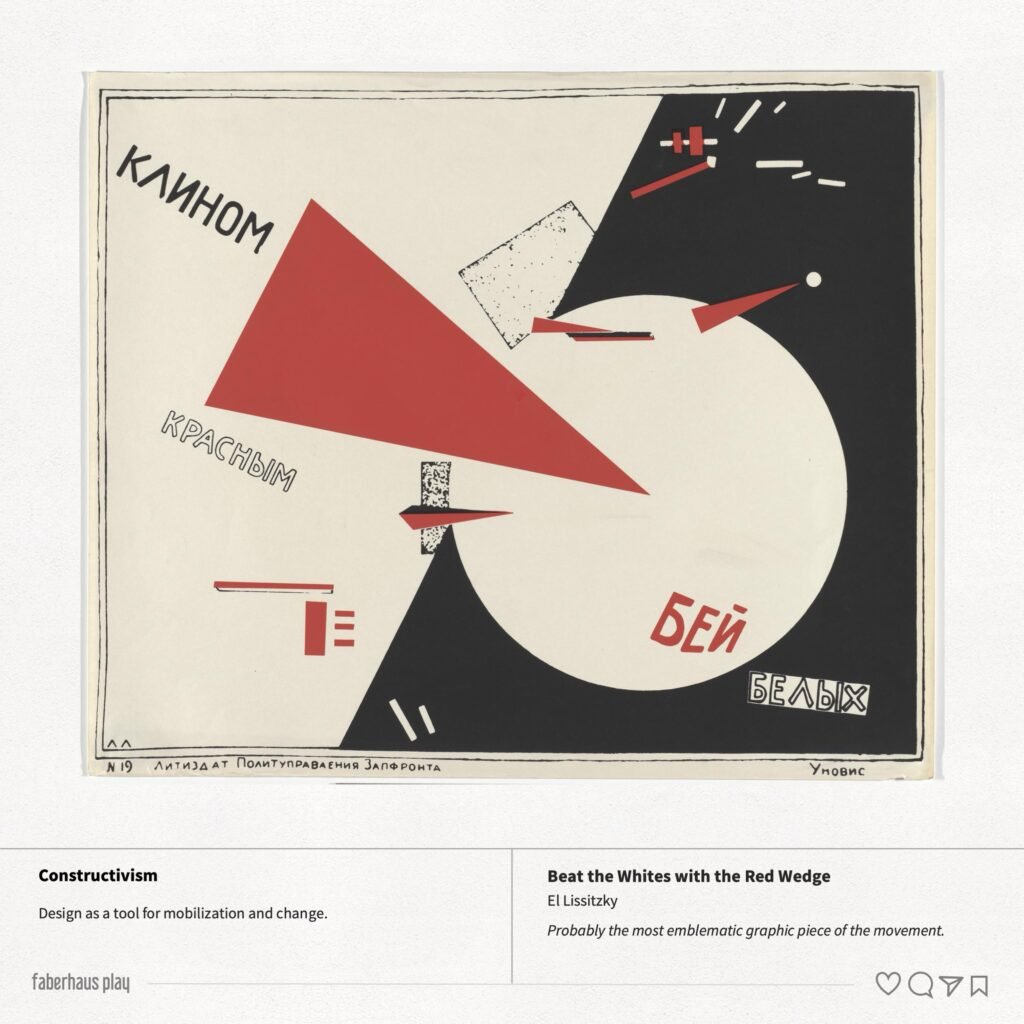
Design as a tool for mobilization and change.
Born in the Soviet Union, Constructivism uses geometric shapes, striking diagonals, and strong visual contrast to communicate messages quickly and powerfully.
Reference: Beat the Whites with the Red Wedge — El Lissitzky.
5. Cyberminimalism
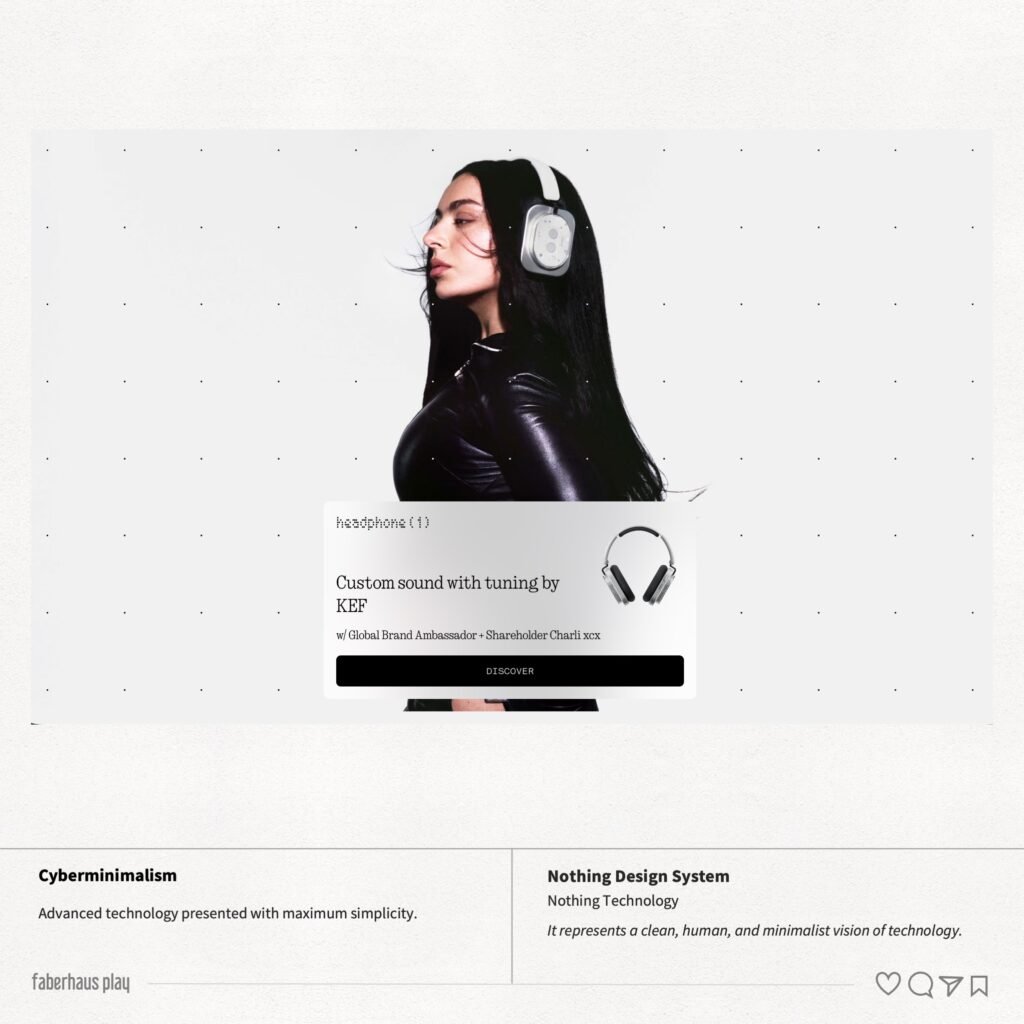
Advanced technology presented with maximum simplicity.
While many futuristic visions embrace complexity, Cyberminimalism takes the opposite approach: hiding technology behind clean, organized, and intuitive experiences.
Reference: Nothing Design System.
6. Cyberpunk
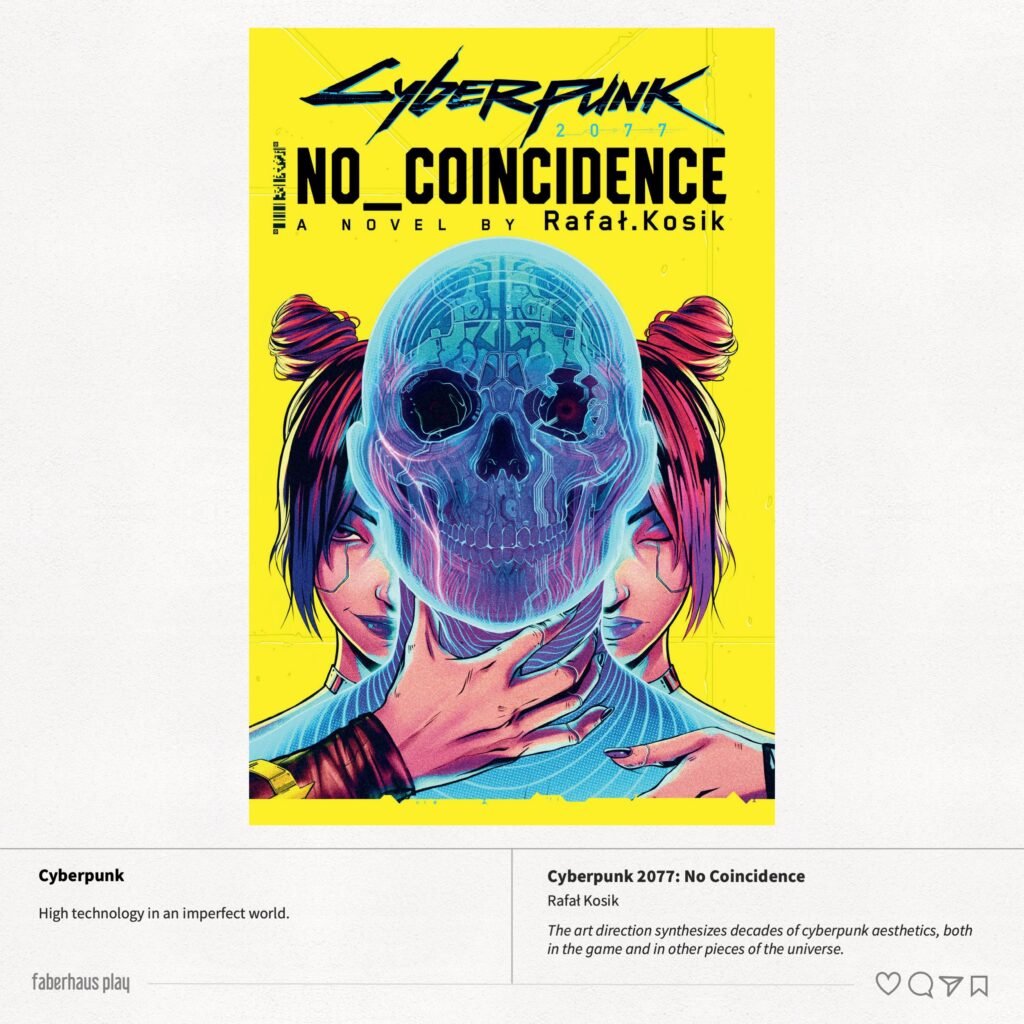
High technology in an imperfect world.
Cyberpunk combines technological innovation, dense urban environments, strong contrasts, and a critical vision of the future. It is an aesthetic rich in atmosphere and detail.
Reference: Cyberpunk 2077: No Coincidence — Rafał Kosik.
7. Future Funk
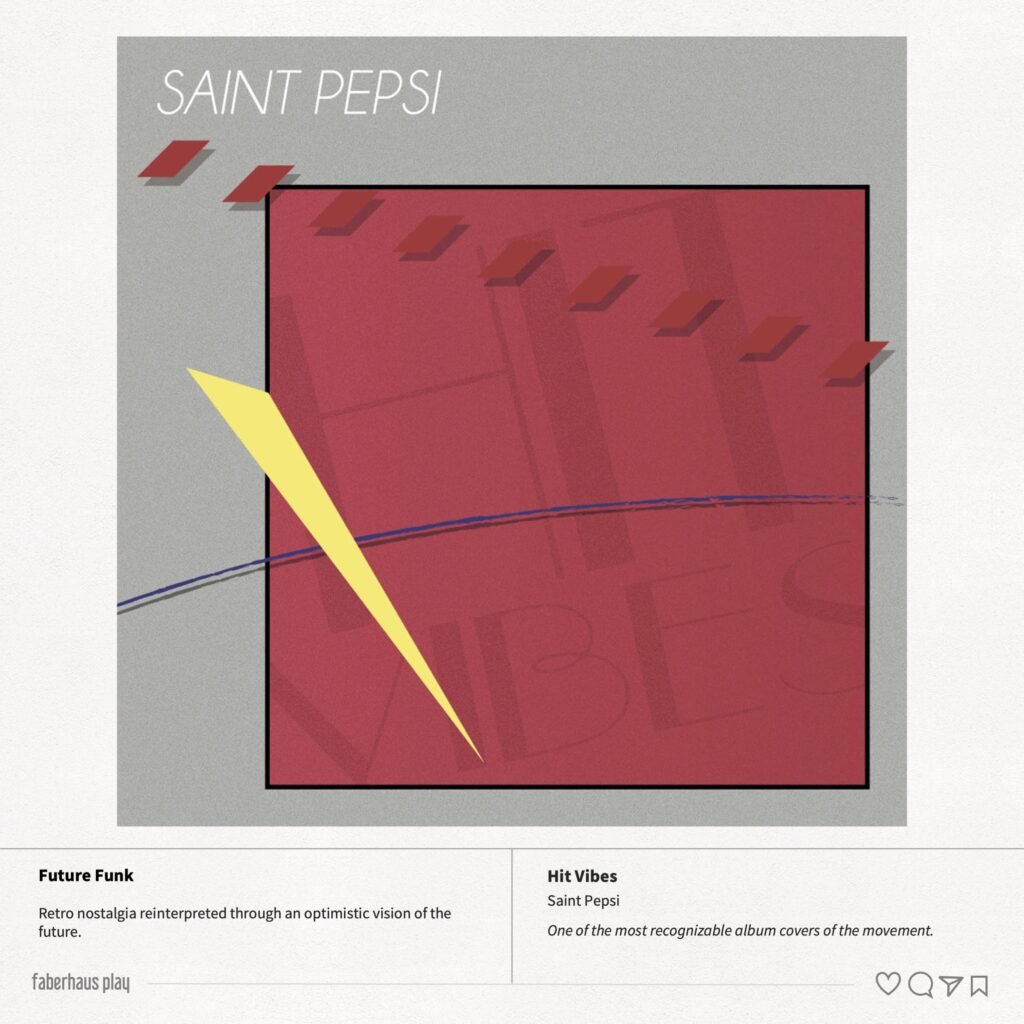
Retro nostalgia reinterpreted through an optimistic vision of the future.
Blending elements from the 1980s and 1990s with digital culture, anime, neon aesthetics, and electronic music, Future Funk creates a vibrant and playful visual language.
Reference: Hit Vibes — Saint Pepsi.
8. Kidcore
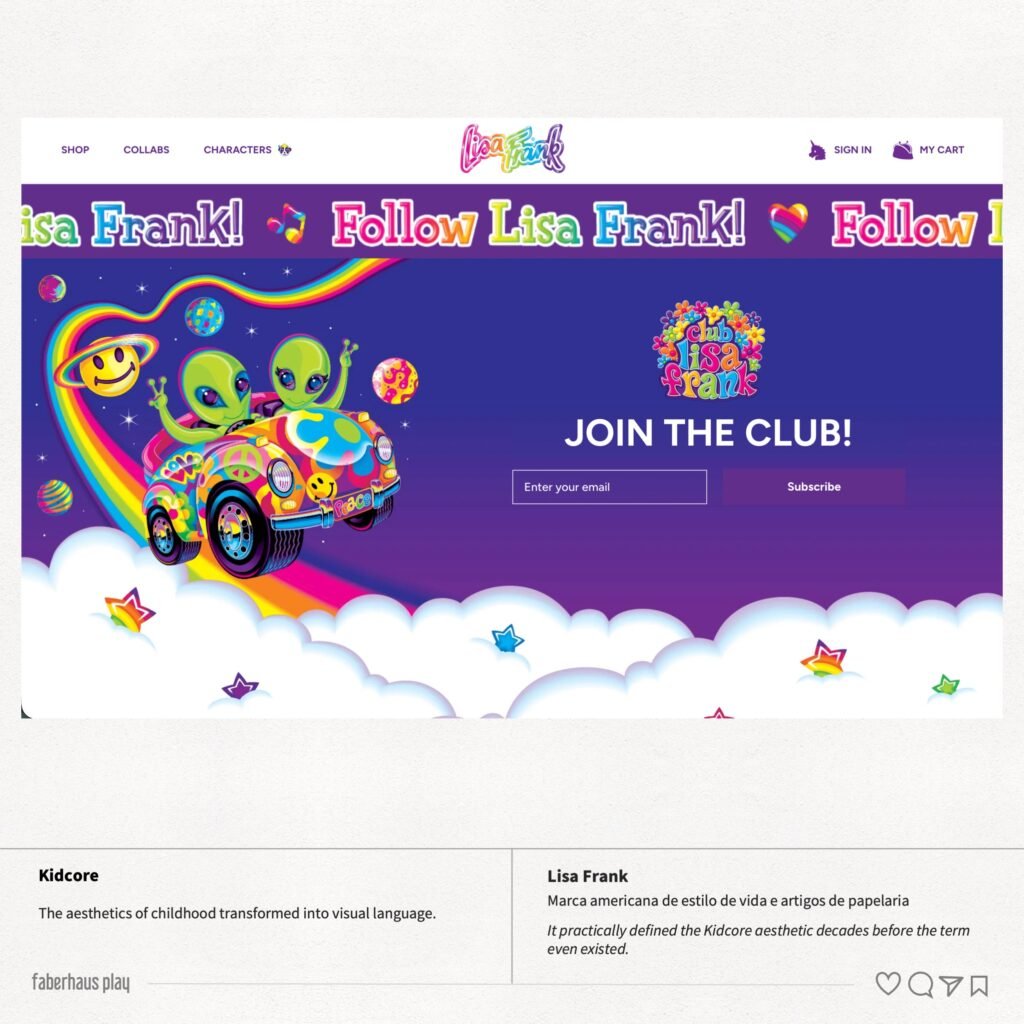
Childhood aesthetics transformed into visual language.
Bright colors, simple shapes, playful characters, and a strong sense of nostalgia define this style, which draws inspiration from childhood experiences and pop culture.
Reference: Lisa Frank.
9. Minimalism
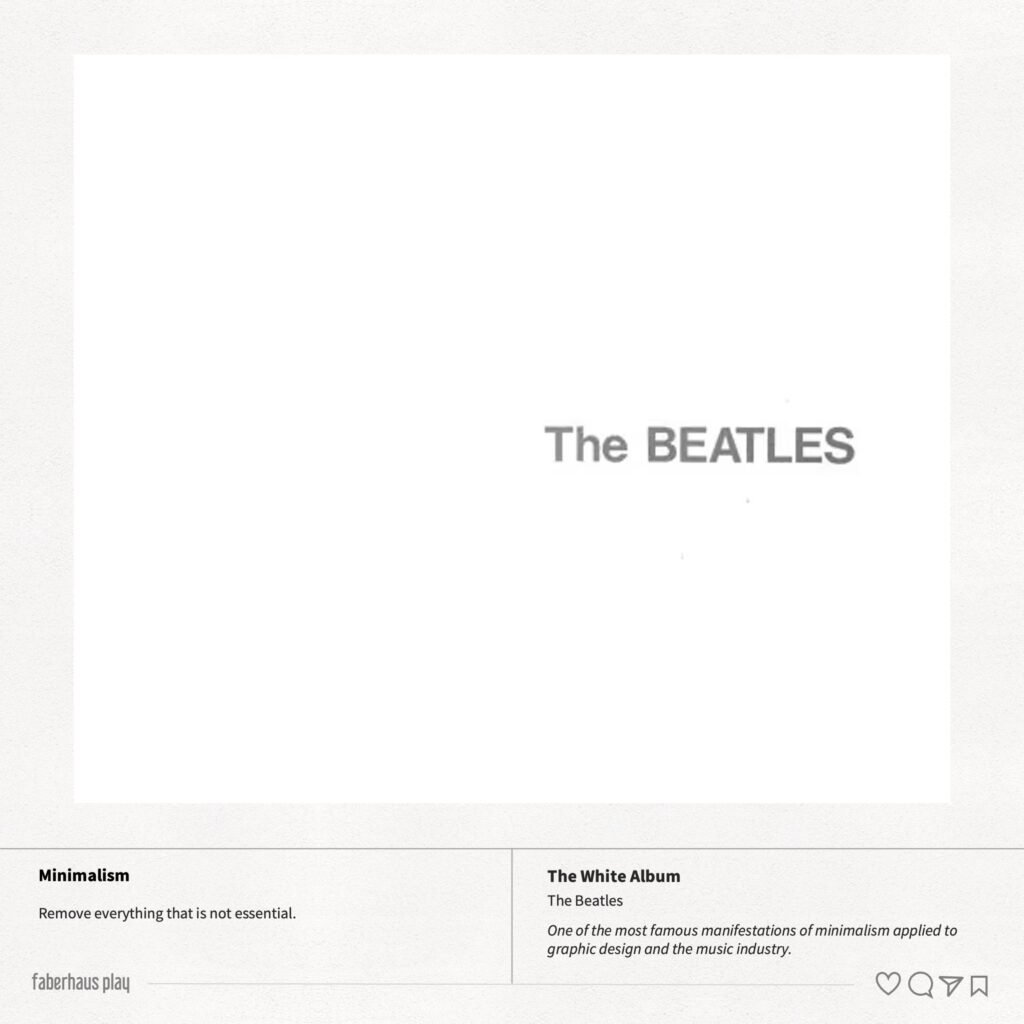
Remove everything that is not essential.
Minimalism seeks to eliminate distractions in order to highlight only what truly matters.
Fewer elements. More intention.
Reference: The White Album — The Beatles.
10. Modernism
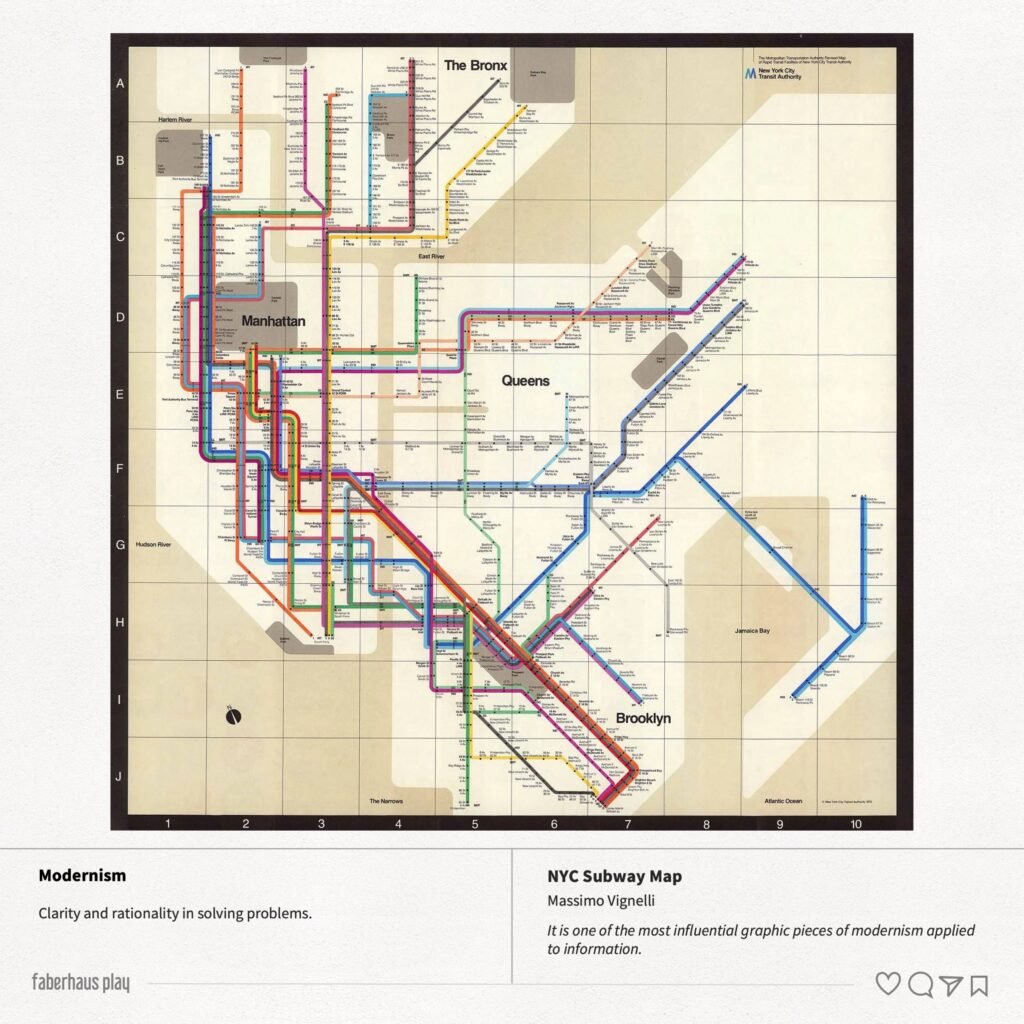
Clarity and rationality for solving problems.
Modernism believes design can organize complexity and make the world easier to understand. Its legacy can still be seen in information systems, wayfinding, and editorial design.
Reference: New York City Subway Map — Massimo Vignelli.
11. Pop Art
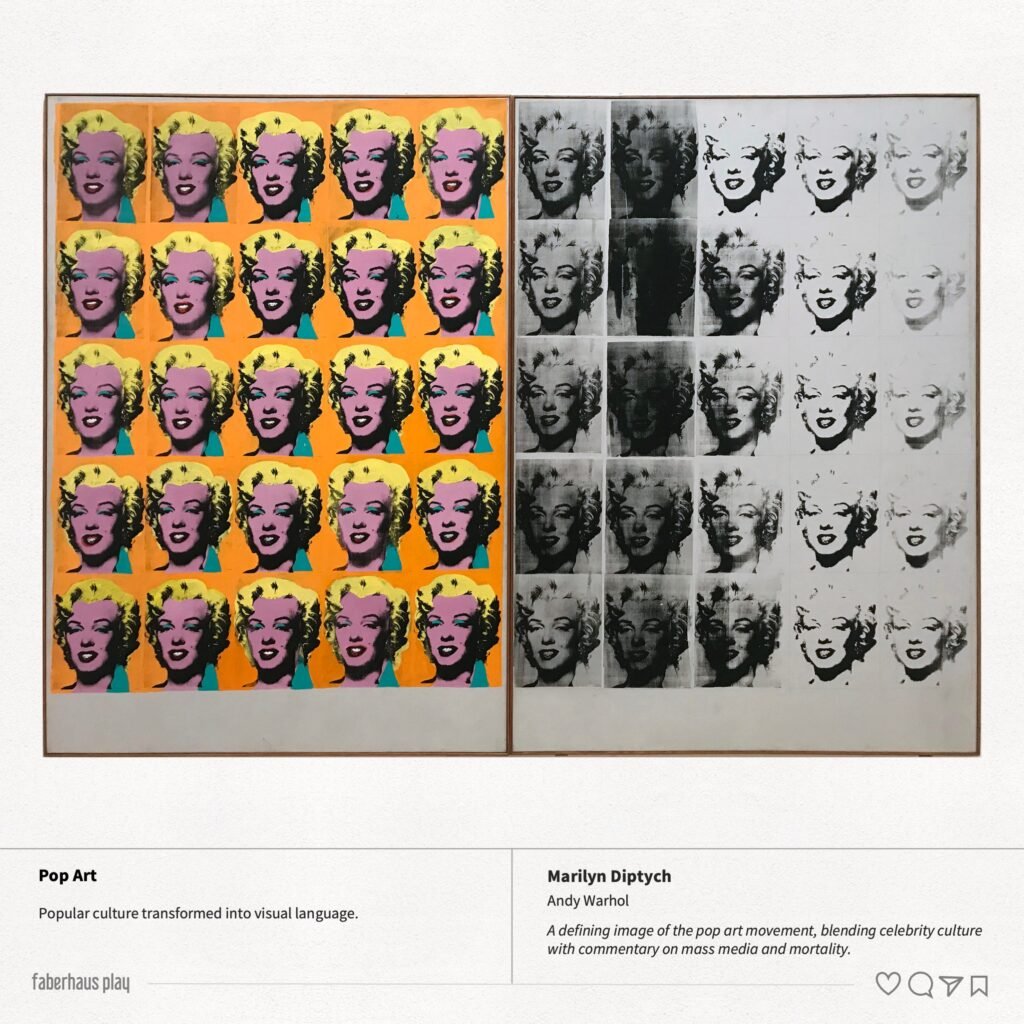
Popular culture transformed into visual language.
Pop Art turned products, celebrities, and everyday objects into art. It is an aesthetic defined by bold colors, repetition, and accessible communication.
Reference: Marilyn Diptych — Andy Warhol.
12. Steampunk
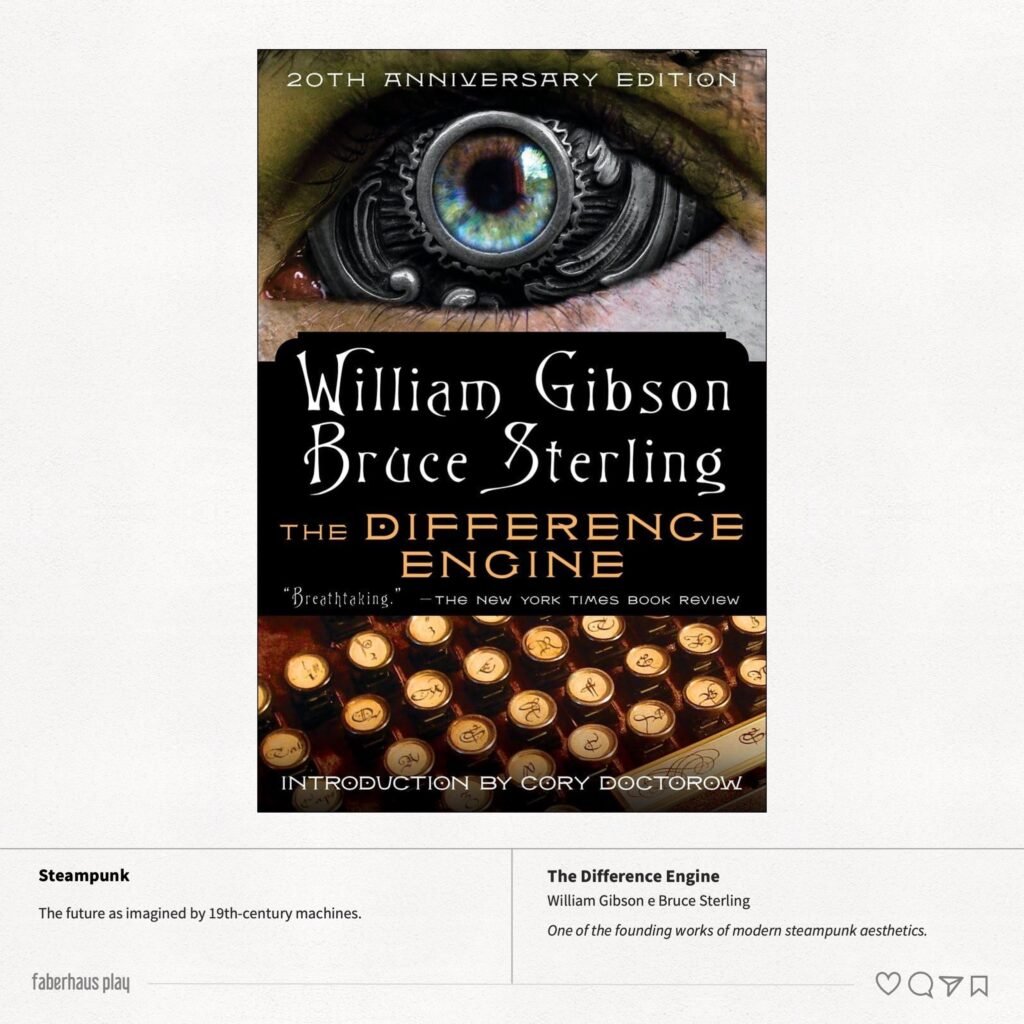
The future imagined through nineteenth-century machines.
Gears, steam, mechanics, and technological imagination come together to create an alternative vision of the future inspired by the Industrial Revolution.
Reference: The Difference Engine — William Gibson and Bruce Sterling.
13. Swiss Design
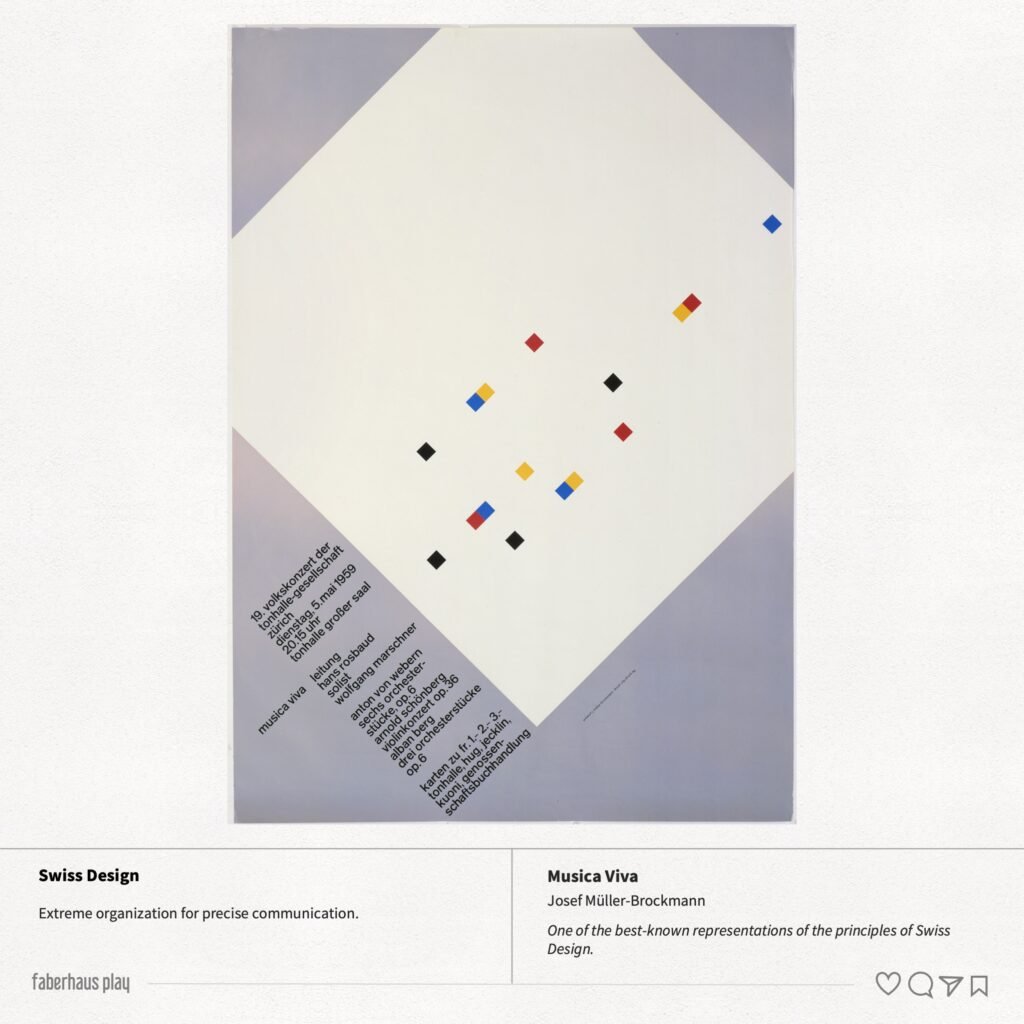
Extreme organization for precise communication.
Perhaps one of the greatest references for interface designers. Swiss Design values grids, typography, alignment, and visual hierarchy to communicate with maximum clarity.
Reference: Musica Viva — Josef Müller-Brockmann.
14. Vaporwave
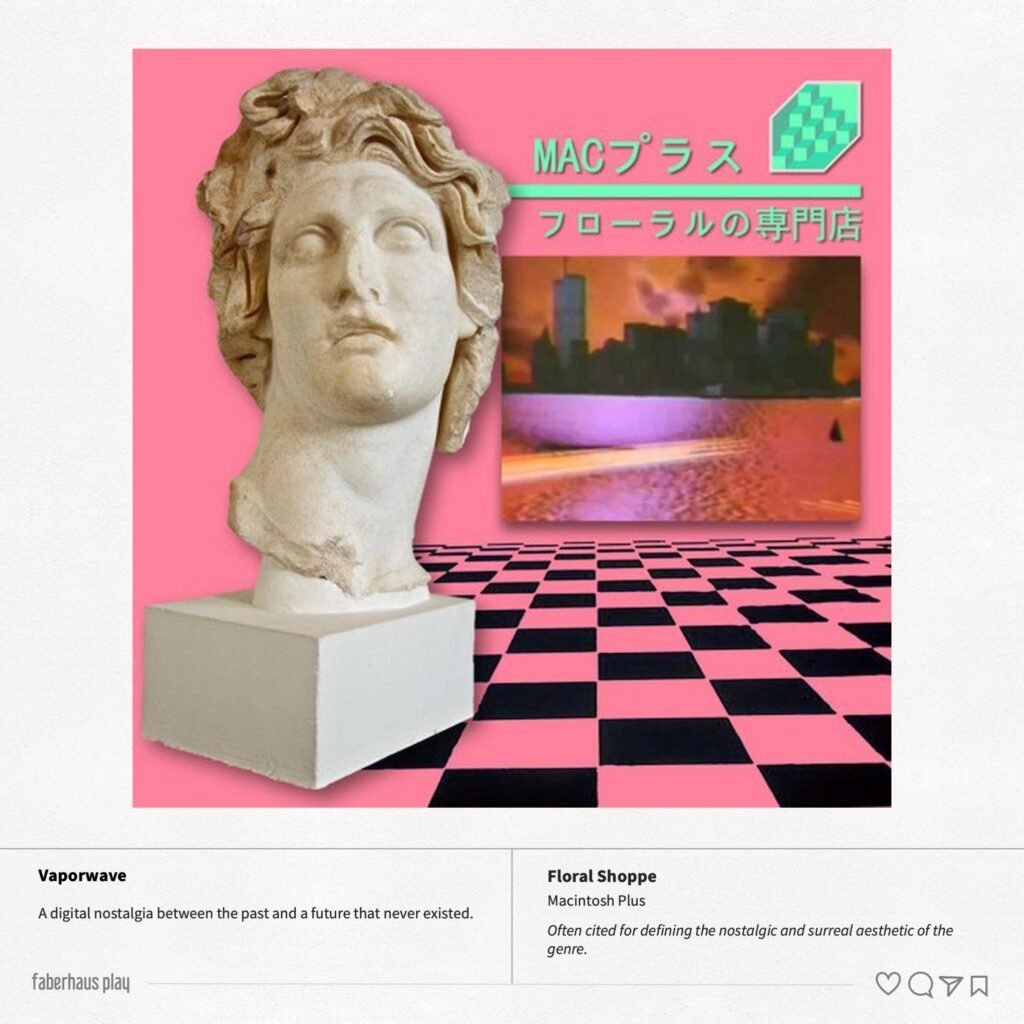
A digital nostalgia between the past and a future that never existed.
Combining digital culture, 1980s and 1990s aesthetics, classical sculptures, and neon colors, Vaporwave creates a unique feeling of nostalgia and strangeness.
Reference: Floral Shoppe — Macintosh Plus.
15. Vector Minimalism
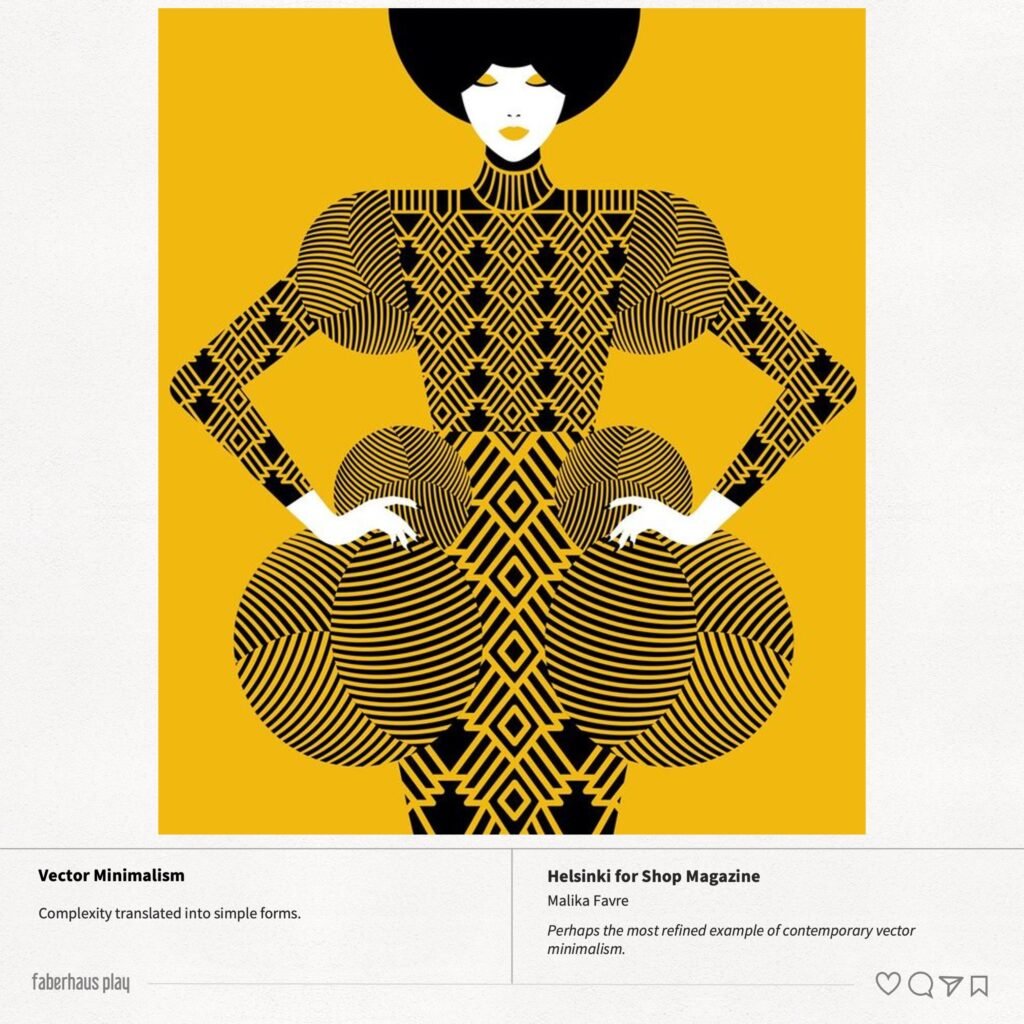
Complexity transformed into simple forms.
Few artists simplify complex visual concepts as effectively as those associated with vector minimalism. The result is clean, elegant, and highly communicative imagery.
Reference: The editorial work of Malika Favre.
Repertoire is fuel for creativity
There is no creativity without repertoire.
The more diverse references you consume, the greater your ability to make unexpected connections and discover original solutions.
So the next time you need inspiration, try looking beyond interfaces.
Explore:
- Posters
- Book covers
- Album covers
- Art movements
- Illustrations
- Editorial design
You may be surprised to discover that the solution to your next project is not on a screen, but in a reference created decades ago.
References
A.M. Cassandre — Art Deco reference and one of the most influential poster designers in history.
Joost Schmidt — Creator of the iconic 1923 Bauhaus exhibition poster.
Joy Division — Band responsible for the album Unknown Pleasures.
Peter Saville — Designer of the Unknown Pleasures album cover.
El Lissitzky — One of the leading figures of Constructivism.
Carl Pei — Founder of Nothing and responsible for the brand’s design vision.
Rafał Kosik — Author of Cyberpunk 2077: No Coincidence.
Saint Pepsi — One of the artists most closely associated with Future Funk.
Lisa Frank — A central reference for the Kidcore aesthetic.
The Beatles — Creators of The White Album.
Richard Hamilton — Designer of The White Album cover.
Massimo Vignelli — Designer of the famous New York City Subway Map.
Andy Warhol — Leading figure of Pop Art.
William Gibson — Co-author of The Difference Engine.
Bruce Sterling — Co-author of The Difference Engine.
Josef Müller-Brockmann — One of the most influential representatives of Swiss Design.
Macintosh Plus — Creator of the album Floral Shoppe.